

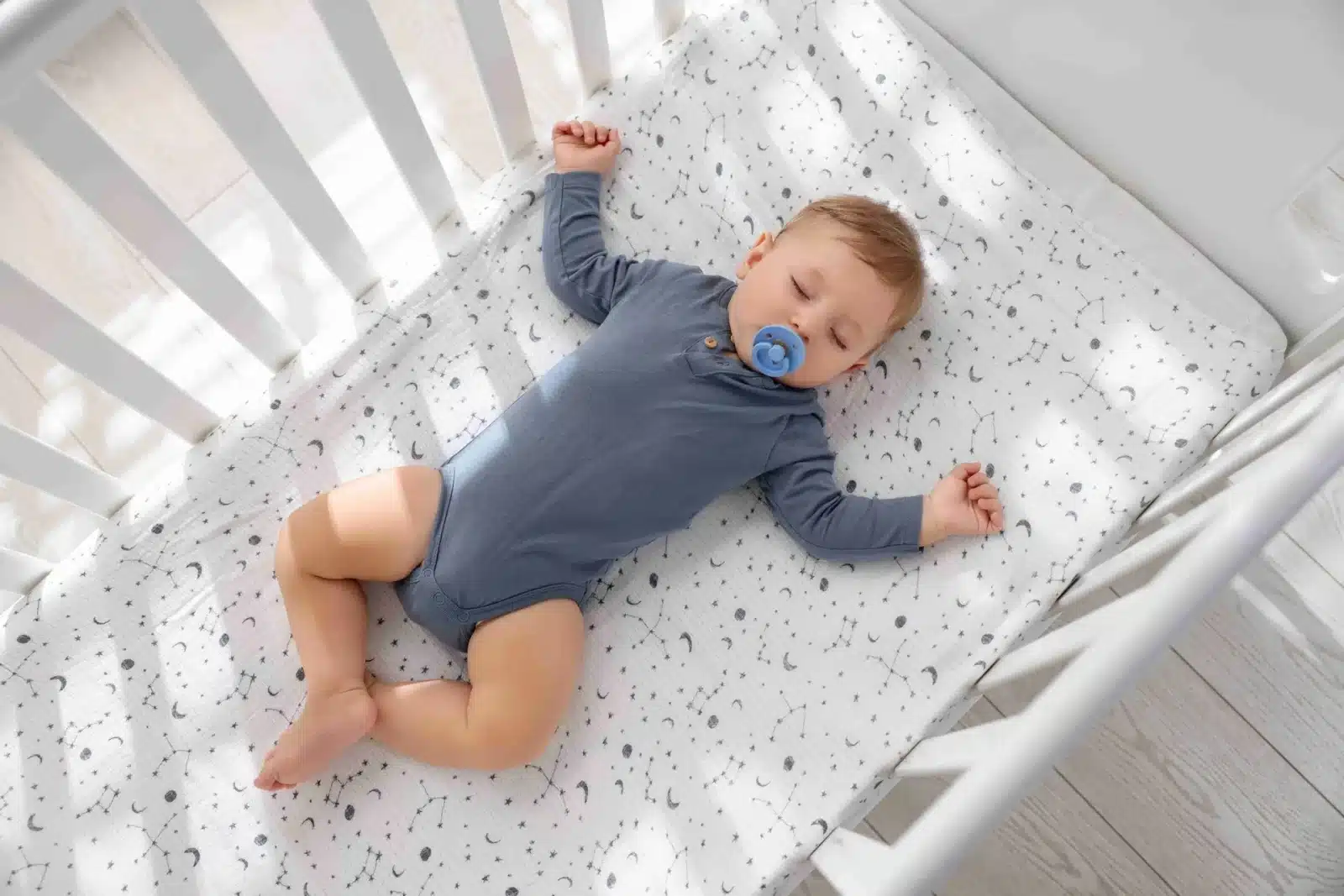
Parenting is one of the biggest blessings, but let me share a secret with you. Sleep training is a must if you want to keep your sanity. Trust me, a few nights of consistency can lead to better sleep for your baby and, most importantly, for YOU. Peaceful nights are worth it! I know it’s not easy, especially with those middle-of-the-night wakeups that feel endless. But sleep training doesn’t mean leaving your baby to cry alone; it’s about gently guiding them toward a healthy sleep routine that works for your family. Think of it as a way to set everyone up for success, so both you and your little one can get the rest you deserve. Let’s get into the details of some gentle sleep training methods for babies that will help everyone sleep soundly through the night!
What Is Sleep Training for Babies?
Credit: copakids.com
This is just a heart-to-heart mom conversation. Simply put, sleep training is a way to teach your baby to fall asleep on their own, without relying on external sleep aids like rocking, nursing, or holding. It’s not about letting your baby cry alone, but rather, it’s about helping them learn to self-soothe and settle into a healthy sleep routine.
When we talk about sleep training methods for babies, we’re focusing on methods that can help establish a sleep pattern that works for both you and your baby.
Every baby is different, and each family has its own approach, but the goal is always the same: to create a peaceful, consistent sleep environment that allows your baby to get the rest they need and so you can too!
- Sleep training is a way to help your baby learn to self-soothe and fall asleep independently.
- It involves creating consistent bedtime routines and sleep associations.
- It’s not about letting your baby cry it out, but encouraging healthy sleep habits.
- Every baby is different, so what works for one might not work for another.
Considerations for Sleep Training
Credit: takingcarababies.com
Before I talk about sleep training techniques, it’s important to consider a few things to ensure that it’s the right time and approach for both you and your baby.
Sleep training is a personal decision, and it’s essential to feel comfortable with the method you choose. As a mom, you know your baby better than anyone else, and it’s important to trust your instincts when it comes to their sleep needs.
Remember, there is no “one-size-fits-all” method. Some babies may adapt quickly, while others may take more time. That’s okay! What matters is your consistency, patience, and love.
- Baby’s age: The ideal time to start sleep training techniques for a 4-month-old is around 4-6 months, when babies are developmentally ready for longer stretches of sleep.
- Health and well-being: Ensure your baby is in good health and doesn’t have underlying issues that might interfere with sleep, such as reflux or colic.
- Your own comfort level: Consider how comfortable you are with letting your baby cry, even for short periods. There are gentle sleep training methods that don’t require much crying.
- Consistency is key: Sleep training requires patience and consistency. Your baby will respond better if you stick to the plan you choose.
Pros and Cons of Sleep Training Methods for Babies
Every parenting approach has its benefits and challenges, and sleep training is no different. While sleep training methods for babies can offer better sleep for both you and your baby, it also require commitment and understanding. Let’s look at the pros and cons of sleep training methods so you can decide what’s best for your family.
Pros of Sleep Training
Sleep training can bring significant benefits, especially in creating a consistent routine for both the baby and the parents. It’s all about helping your baby feel secure and confident in their ability to fall asleep independently.
- Better sleep for everyone: Once your baby learns to self-soothe, you’re likely to experience longer and more restful sleep, which helps you get some sleep too.
- Improved mood and behavior: Well-rested babies are often happier, calmer, and more alert during the day.
- A consistent bedtime routine: Establishing a sleep routine helps both you and your baby know what to expect each night.
- Independence: It fosters a sense of independence for your baby, helping them feel secure in their sleep space.
Cons of Sleep Training
While sleep training offers many benefits, there are some potential challenges that come with it. Understanding these challenges can help you be prepared and patient throughout the process.
- It takes time and patience: Sleep training doesn’t happen overnight. It can take days or even weeks for your baby to adjust to a new sleep routine.
- It may involve some crying: Some gentle sleep training methods, like the 5-10-15 method, may require a little bit of crying, which can be difficult for parents to handle emotionally.
- Consistency is crucial: If you don’t stick to your sleep training plan, it may confuse your baby and delay progress.
- Not all babies respond the same way: What works for one baby might not work for another, so it may take some trial and error to find the right method.
Reasons to Sleep Train Your Baby
So why sleep train? For many parents, sleep training becomes a necessity to restore peace and balance in the home. As much as we love our babies, sleepless nights can lead to exhaustion, which affects everyone in the family. Sleep training can help you regain much-needed rest, and it has long-term benefits for both your baby’s development and your overall well-being.
- Promotes better sleep: Sleep training helps your baby sleep for longer stretches, which means more sleep for you, too.
- Supports healthy development: A consistent sleep routine helps your baby’s physical and mental development by providing the proper rest they need to grow.
- Improves your well-being: Well-rested parents are better equipped to handle the challenges of daily life and feel more energized.
- Sets healthy sleep habits: Early sleep training can help your baby develop lifelong healthy sleep habits, ensuring they get the rest they need throughout their childhood.
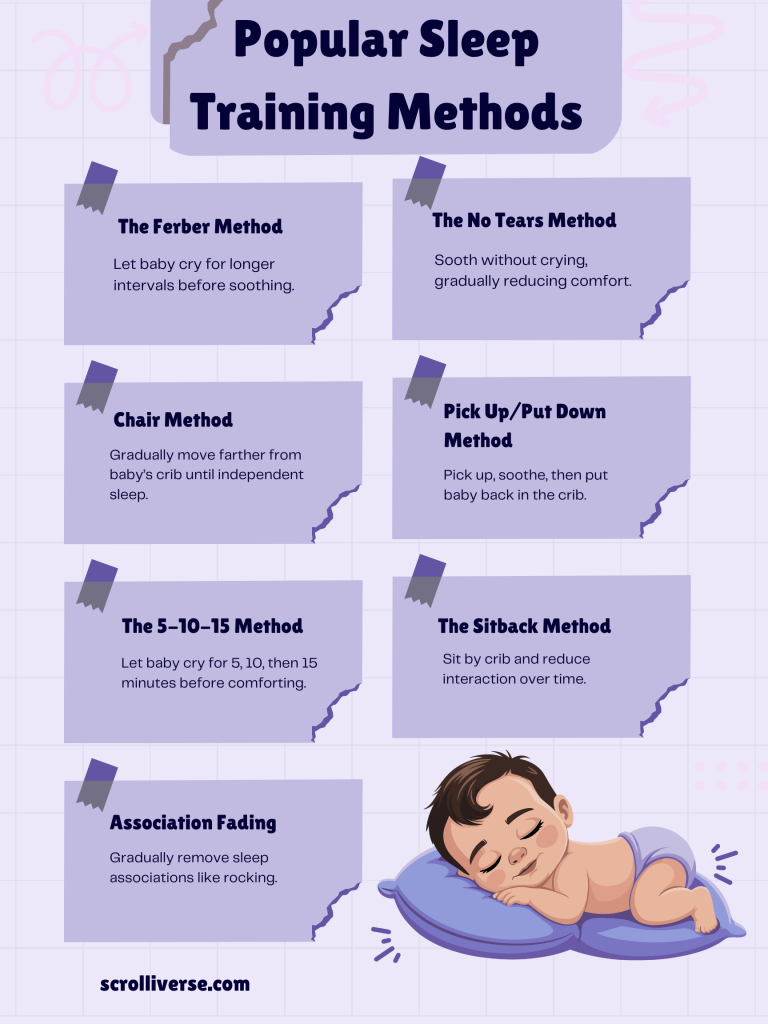
Popular Sleep Training Methods for Babies
There are several popular gentle sleep training methods that can help your baby learn to fall asleep independently. These methods can be adapted to your family’s needs and comfort levels. Let’s explore a few of the most popular options.
The Ferber Method (Graduated Crying)

Credit: newtonbaby.com
The Ferber method is a well-known approach that involves allowing your baby to cry for short periods while gradually increasing the time before comforting them. It’s based on the idea that babies can learn to self-soothe with gradual reassurance.
- How it works: You allow your baby to cry for progressively longer intervals before soothing them.
- Best for: Parents who are comfortable with letting their baby cry for short periods.
- Pros: Helps babies learn to self-soothe and fall asleep independently.
- Cons: Can be difficult for parents who find crying hard to handle.
The No Tears Method

Credit: parents.com
If you’re looking for a method with no crying, the No Tears Method is ideal. This approach focuses on gradually helping your baby fall asleep on their own without any tears or distress. It involves soothing your baby without picking them up, using techniques like patting, shushing, or gentle rocking.
- How it works: You gradually reduce the amount of soothing you provide each night.
- Best for: Parents who prefer minimal crying or none at all.
- Pros: Gentle approach, great for babies who need a calm, soothing environment.
- Cons: It may take longer to establish a consistent sleep pattern.
Chair Method for Sleep Training

Credit: whattoexpect.com
The chair method of sleep training involves sitting next to your baby’s crib and gradually moving further away each night until they fall asleep on their own. It’s a gentle approach that helps your baby feel secure while also teaching them to self-soothe.
- How it works: You start by sitting next to your baby’s crib, then slowly move further away over time.
- Best for: Parents who want to gradually transition their baby to independent sleep while still offering reassurance.
- Pros: Encourages independence while keeping the baby’s comfort in mind.
- Cons: It can take several weeks before your baby fully sleeps independently.
Pick Up/Put Down Method
Credit: parenting.firstcry.com
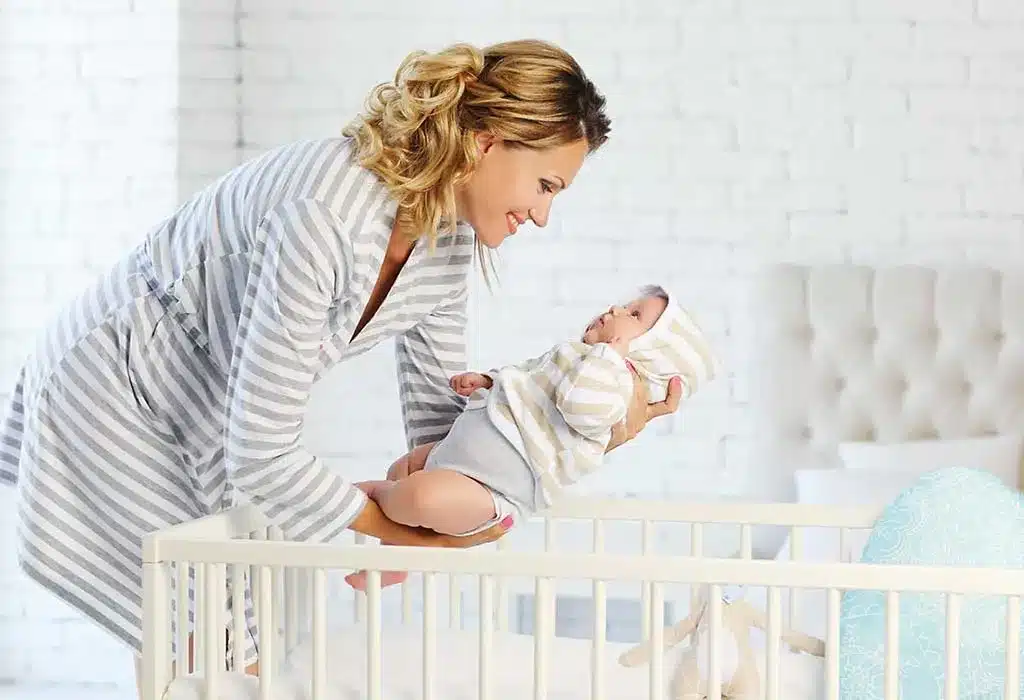
The pick up/put down method is about picking your baby up when they cry and soothing them until calm, then placing them back in their crib. This method allows you to comfort your baby without letting them fall asleep in your arms, helping them learn to sleep independently.
- How it works: You pick up your baby when they cry and soothe them, then put them back in their crib once they are calm.
- Best for: Parents who want to offer comfort without co-sleeping or letting their baby cry for long periods.
- Pros: Gentle approach that provides comfort while encouraging independence.
- Cons: Can be tiring for parents due to the need for repeated pickups.
The 5-10-15 Method

Credit: heloa.app
Next comes the 5-10-15 method. It involves letting your baby cry for 5 minutes, then comforting them briefly, then letting them cry for 10 minutes, and so on, gradually increasing the time intervals. This technique is gentle but structured.
- How it works: You let your baby cry for increasing intervals before providing reassurance.
- Best for: Parents who are comfortable with some crying and want a structured approach.
- Pros: Helps babies learn to self-soothe.
- Cons: It may be tough for parents who are sensitive to crying.
The Sitback Method
Credit: newtonbaby.com
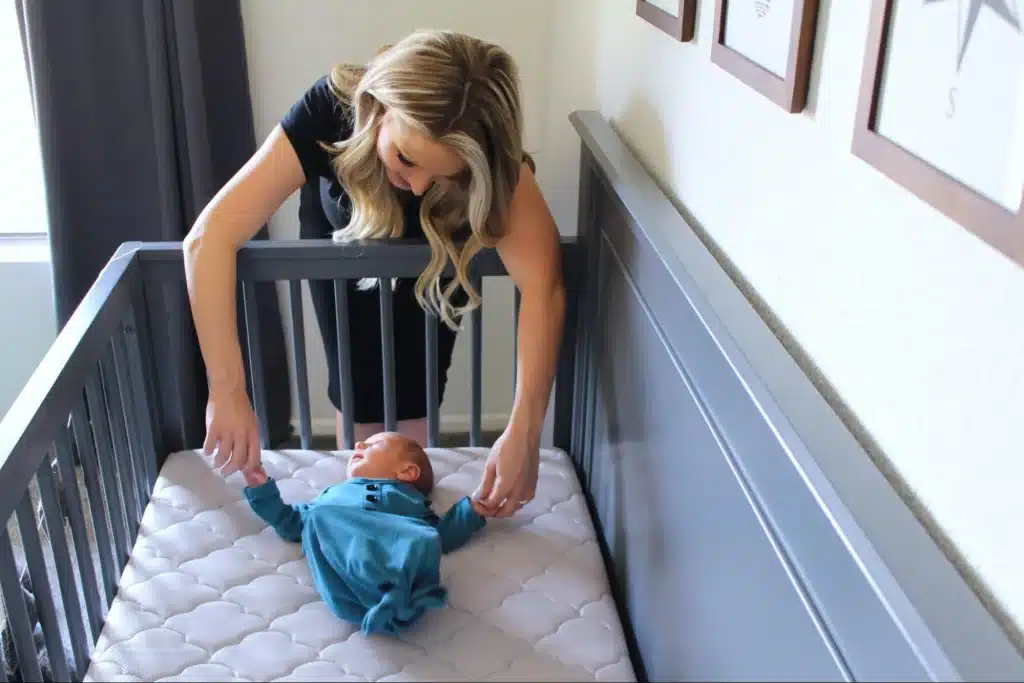
As the name implies, the sitback method involves sitting quietly near your baby’s crib without interacting with them. If they cry, you offer comfort through your presence but avoid picking them up. Over time, you move further away from the crib as they become more comfortable.
- How it works: You sit by the crib and gradually decrease your interaction until your baby learns to self-soothe.
- Best for: Parents who want to offer reassurance without picking up their baby.
- Pros: Provides a balance of comfort and independence.
- Cons: Can take longer for your baby to fall asleep independently.
Association Fading Sleep Method

Credit: purewow.com
This method focuses on slowly removing the sleep associations your baby has, such as being rocked or fed to sleep, and replacing them with healthier habits like falling asleep in their crib.
- How it works: Gradually reduce the sleep associations your baby relies on.
- Best for: Parents who want to remove sleep props like rocking or feeding to sleep.
- Pros: Encourages self-soothing while transitioning away from sleep props.
- Cons: It can take time to establish new sleep associations.
Cry It Out Method

Credit: motherhoodwild.com
Lastly, the Cry It Out method involves letting your baby cry until they fall asleep without offering comfort. This method is considered more intense but can be effective for some families. If you’re looking for ways to improve your baby’s sleep environment, you might want to explore options like the Nectar Full Pocketed Coil Mattress.
- How it works: You allow your baby to cry until they fall asleep, only intervening after a set time.
- Best for: Parents who are comfortable with letting their baby cry for a short period.
- Pros: Can be effective in helping babies fall asleep independently quickly.
- Cons: Can be emotionally difficult for parents, and not suitable for all babies.
And now, we will discuss some of the common sleep aid products.
Extra Sleep Training Aids for Babies
Looking for some extra help with sleep training? These products are great additions to your baby’s bedtime routine, making it easier for both of you to get those peaceful nights of sleep.
Soothers
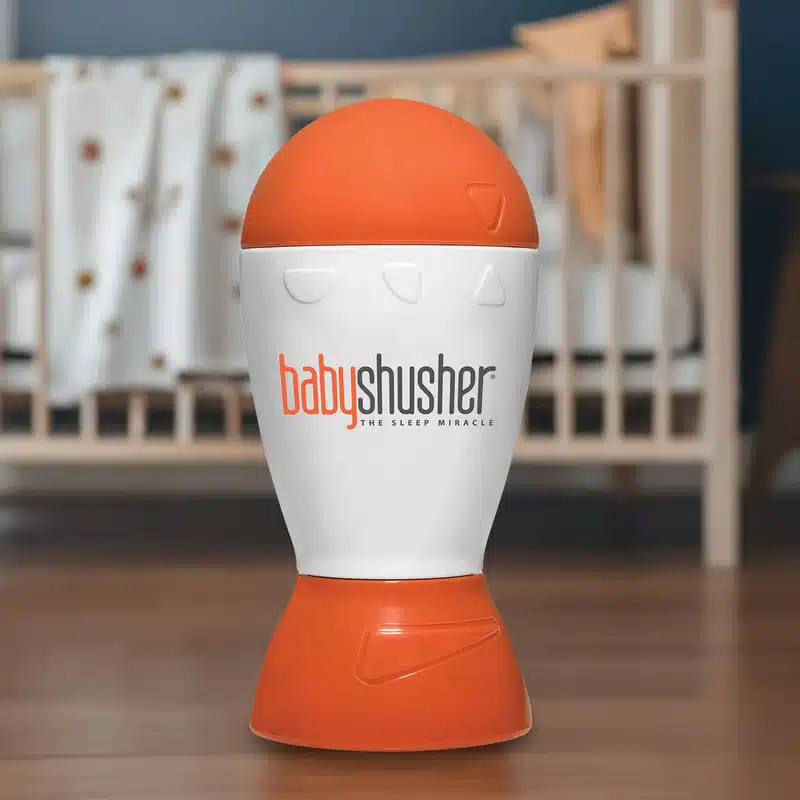
Baby Shusher Sleep Miracle Soother
Credit: cribandkids.com
Specifications
The Baby Shusher mimics the calming sound of a parent’s shush, helping your little one drift off to sleep.
- Soothing "shush" sound that helps babies fall asleep.
- Portable and adjustable volume for flexibility.
- Perfect for both naps and bedtime.
Portable Sleep Aid
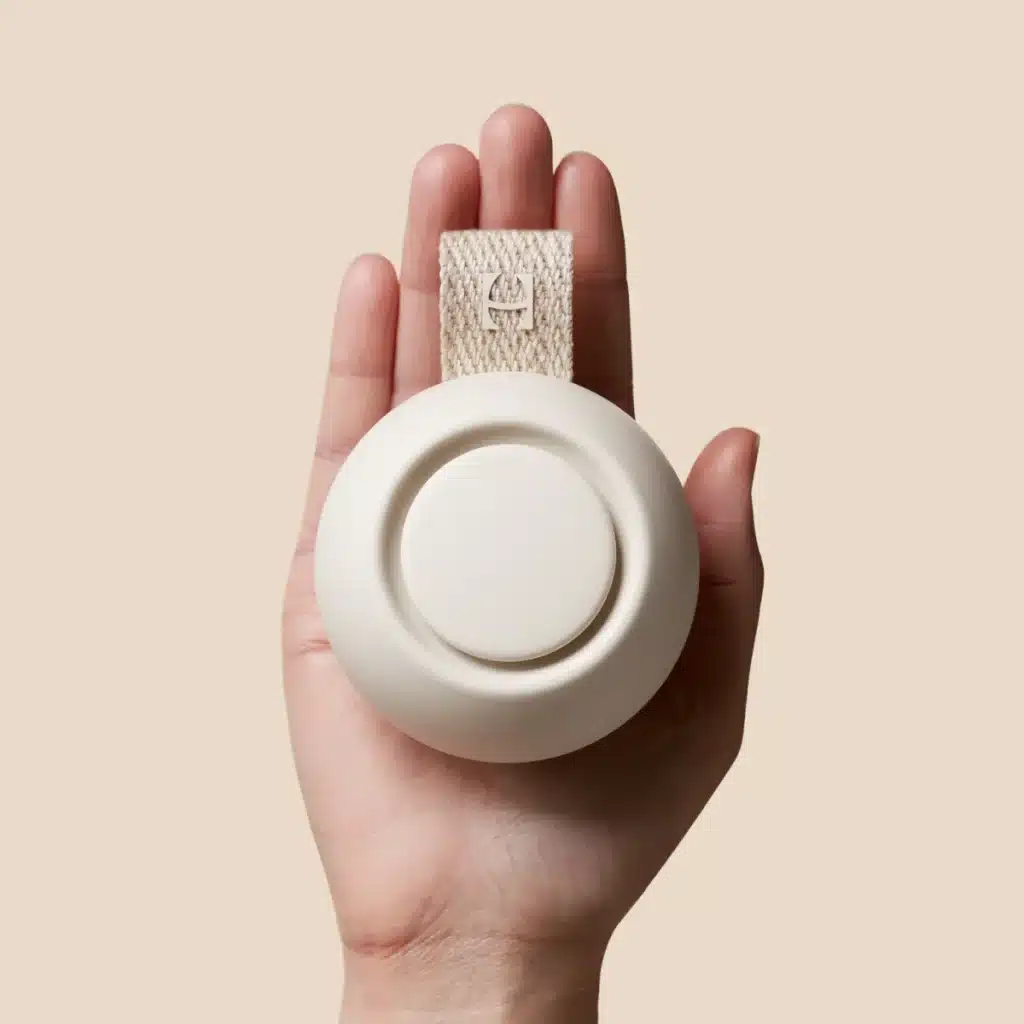
Hatch Rest+ Portable Sound Machine
Credit: shopecobambino.com
Specifications
This multi-functional sound machine also serves as a nightlight and time-to-rise alert, all controlled via an app.
- Customizable sound options and an adjustable nightlight.
- App-controlled for easy management.
- Ideal for creating a calming sleep environment.
Parenting Guides
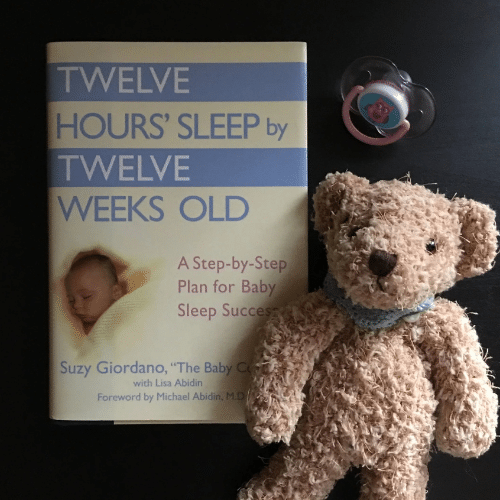
Twelve Hours Sleep by 12 Weeks
Credit: s-blackfriday.com
Specifications
This book offers a structured sleep plan to help your baby sleep through the night by 12 weeks.
- A clear, step-by-step guide to sleep training.
- Focuses on creating consistent sleep routines.
- Perfect for parents starting sleep training early.
Baby Soother
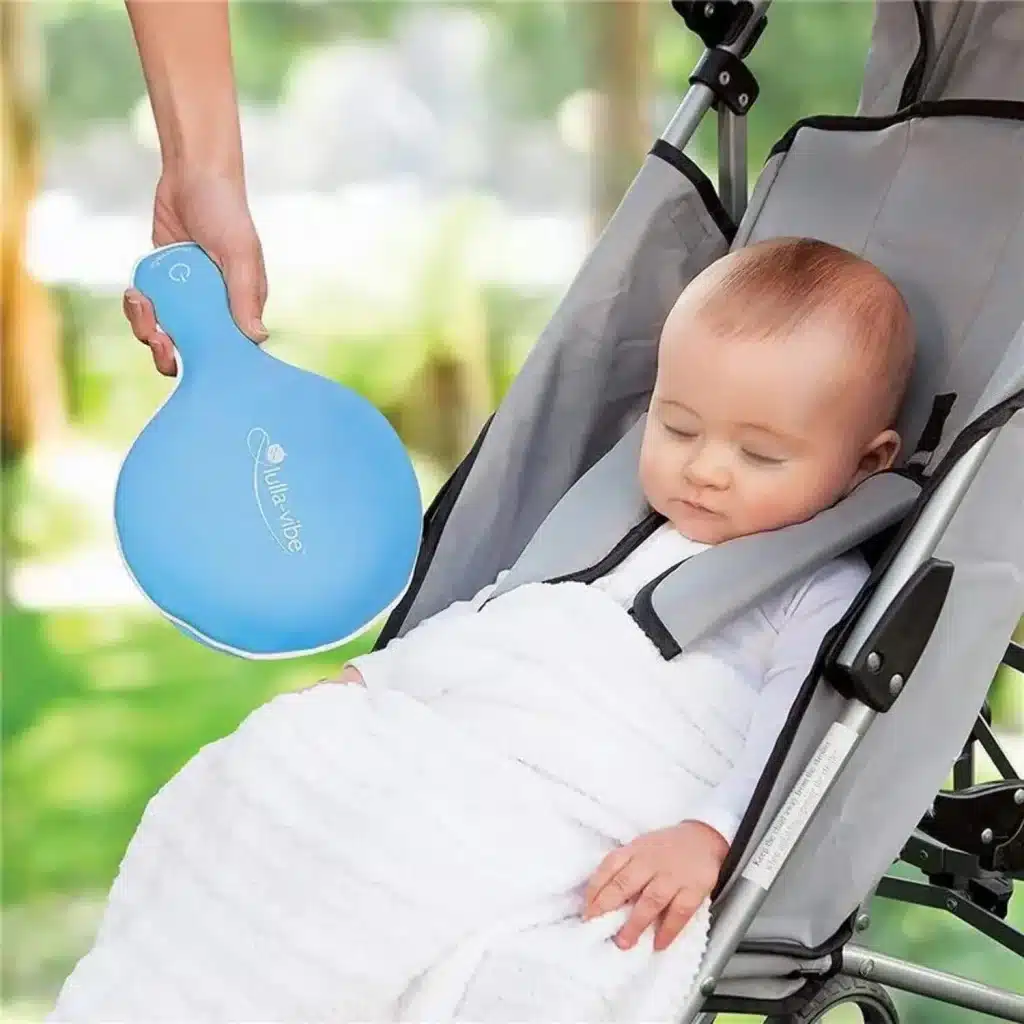
Vibrating Baby Soother
Credit: walmart.com
Specifications
This vibrating soother mimics the gentle motions that help calm babies, easing them into a deep sleep.
- Adjustable vibrations to soothe and calm.
- Ideal for transitioning from contact napping to crib sleep.
- Compact and travel-friendly.
Sleep Toys
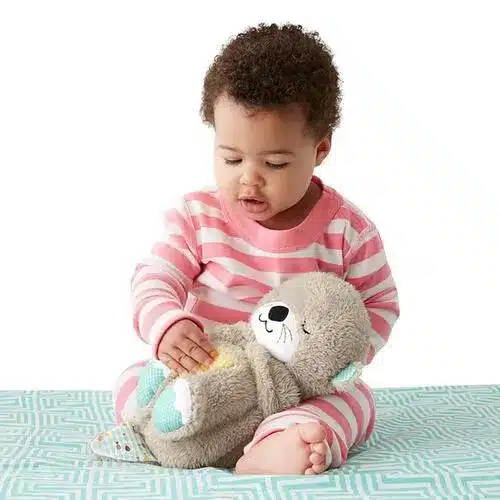
Fisher-Price Soothe & Snuggle Otter
Credit: toysruschina.com
Specifications
This cuddly otter provides soothing sounds and gentle vibrations, comforting your baby during bedtime.
- Plays calming sounds and vibrations to help the baby relax.
- Soft and snuggly for extra comfort.
- Ideal for helping your baby settle down for sleep.
These products can be the perfect support for your gentle sleep training methods and help make bedtime easier for both you and your baby! Let me know if you need more suggestions or any changes.
The Anti-Sleep Training Movement
There are some parents and experts who advocate against sleep training altogether, arguing that babies should be allowed to sleep in a natural way without being forced to follow a strict routine.
These parents often prefer methods like co-sleeping, nursing to sleep, and following their baby’s cues rather than imposing a structured sleep schedule.
The Right Sleep Training Method for You
Finding the right sleep training method for your family is key. Trust your instincts, do some research, and find a method that feels comfortable for both you and your baby. Whether you choose a gentle, no-tears approach or a more structured method, consistency and love will help your baby learn to sleep independently.
Ending Remarks
In a nutshell, sleep training is a personal choice, but when done gently and with love, it can lead to peaceful nights for both you and your baby. There’s no right or wrong way to approach sleep training, and every baby is different. What matters most is that you find a method that works for your family and helps everyone get the rest they need. Sweet dreams, mama; you’ve got this!
Frequently Asked Questions
Here’s what you need to know about sleep training methods for babies.
At what age should I start sleep training?
Most experts recommend starting around 4-6 months when your baby is developmentally ready for longer stretches of sleep.
Does sleep training involve letting my baby cry?
Not necessarily! There are many gentle methods, like the Chair Method Sleep Training, that involve minimal crying or none at all.
Can sleep training work if my baby is already a toddler?
Yes! Sleep training techniques can be adapted for toddlers, though it may require different methods.
How long does it take for sleep training to work?
Every baby is different, but it typically takes 3-7 days to see noticeable improvements, depending on the method you choose.
Can I still nurse my baby to sleep after sleep training?
Absolutely! Many families incorporate nursing into the bedtime routine, but the goal is to help your baby fall asleep independently, so they’re not reliant on it to stay asleep.



















Leave a comment