

I understand that self-care often takes a backseat once your baby is born. While the pregnancy journey is beautiful, it’s easy to lose yourself somewhere between labor pains, seeing your baby’s face for the first time, and feeding him. But here’s the truth, my dear moms, the real struggle begins after delivery. You need energy to get through each day, and neglecting postpartum care can seriously affect your health. I’ve been there, and that’s exactly why I’m here to share a complete meal plan, postpartum food ideas, tailored specifically for new moms. Keep reading to find out more!
Why Is Postpartum Nutrition/Diet Important?

Credit: nutrisense.io
Okay, mama, I know you’re exhausted, but hear me out. Your body just did something AMAZING, it grew a whole human being, birthed them, and now it needs the right fuel to recover. The postpartum period is a time for healing and restoring, not just physically, but emotionally, too. The foods you choose to eat can either help you feel energized or leave you sluggish and drained. So, think of your diet plan for postpartum weight loss as an essential part of your recovery process.
Here’s why it matters so much:
- Healing: After childbirth, your body needs time to repair, whether you’ve had a C-section or a vaginal birth. Nutrient-rich postpartum foods help with tissue repair, hormone balance, and general recovery.
- Breastfeeding: If you’re nursing, your body needs extra calories and nutrients to produce breast milk. A nutritious postpartum diet helps with milk production and keeps you strong while feeding your baby.
- Energy: Let’s face it – being a mom can be exhausting. The right postpartum meal ideas can boost your energy and help you get through those sleepless nights and busy days.
- Mood: Hormonal changes can make your emotions feel like a rollercoaster. A balanced diet plan rich in essential vitamins and minerals can help stabilize your mood and support mental health during this challenging time.
In short, you deserve to feel good as you navigate this beautiful, but often challenging, chapter. Your postpartum nutrition plays a big part in that.
Need a little more guidance as you settle into this new role? Check out these helpful tips for new moms to support you through the ups and downs of motherhood.
7 Nourishing Postpartum Food Ideas
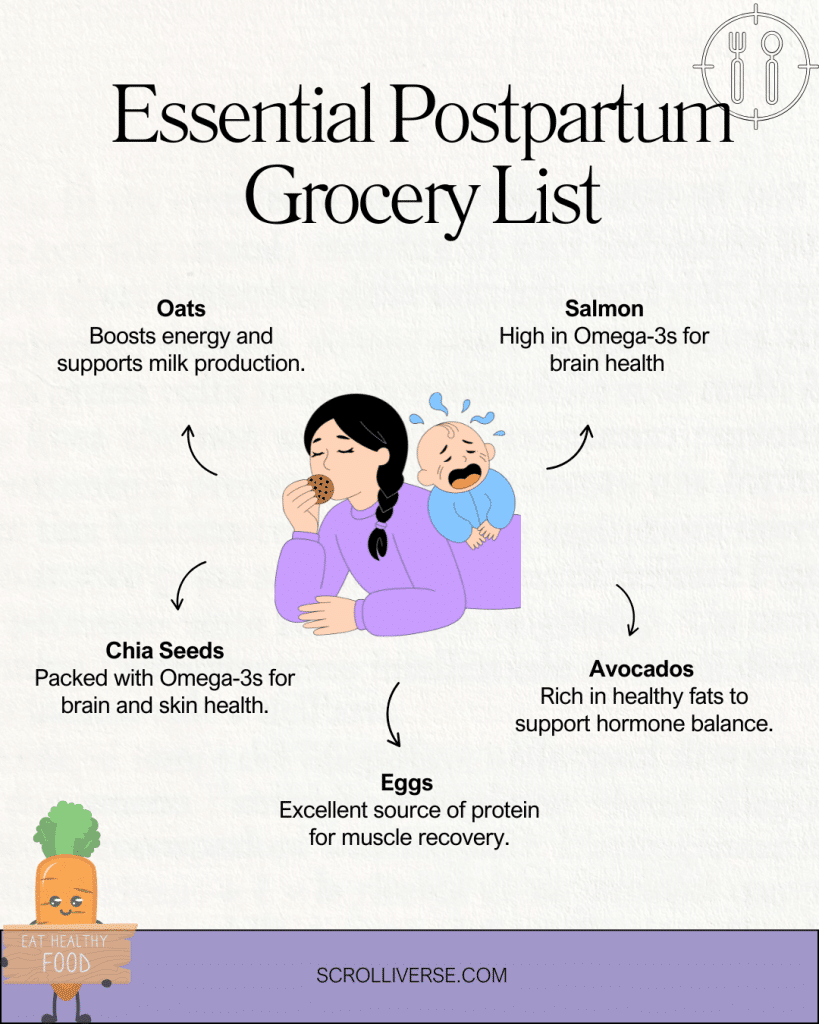
Now that we know how important postpartum nutrition is, let’s talk about the best foods for postpartum recovery. These postpartum food ideas are nutrient-packed and easy to incorporate into your daily routine. Bonus: they’re not just good for you; they’re also easy to prepare!
Oatmeal with Fresh Fruits & Nuts
Credit: eatingwell.com
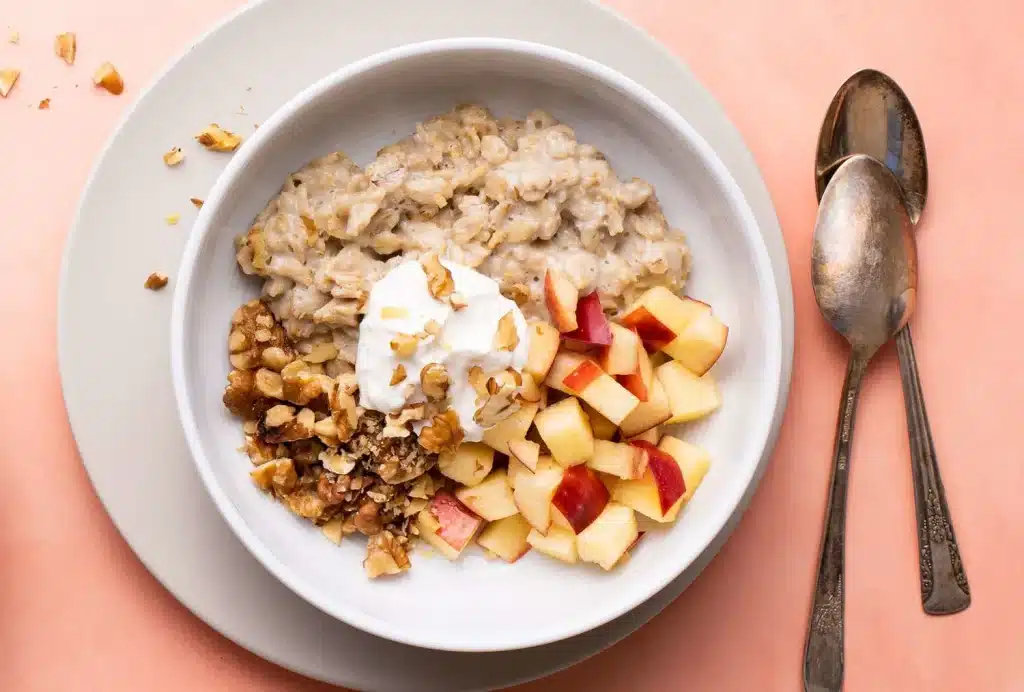
- Ingredients: 1 cup oats, 2 cups water or milk (dairy or non-dairy), 1/2 cup mixed berries, 1 tbsp chia seeds, 1 tbsp almond butter, and honey (optional).
- Instructions: Cook the oats in water or milk according to package instructions. Once done, top with mixed berries, chia seeds, almond butter, and a drizzle of honey.
Nutritional Benefits
Oatmeal is a comforting postpartum meal that’s high in fiber, which can help with postpartum digestion and prevent constipation. It’s also packed with iron, helping replenish the iron lost during childbirth. Chia seeds are a great source of Omega-3s, which are essential for brain development, while almond butter gives you healthy fats that help with milk production. Plus, the antioxidant-rich berries add natural sweetness and essential vitamins like Vitamin C, which supports immune function.
Salmon with Roasted Vegetables
Credit: realfood.tesco.com
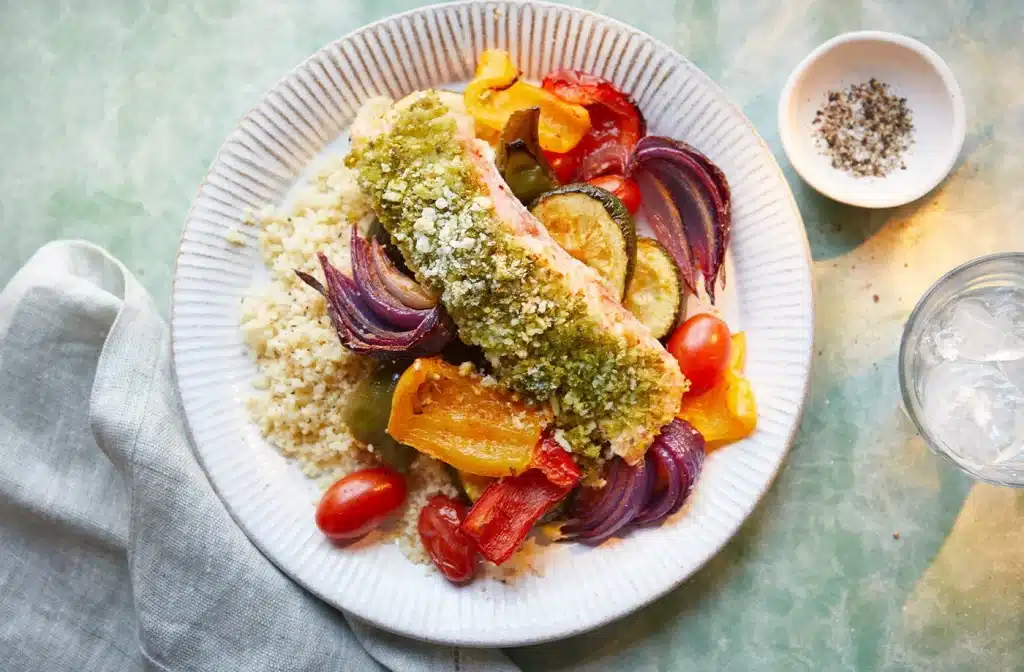
- Ingredients: 1 salmon fillet, 1 tbsp olive oil, lemon slices, salt & pepper, 1 cup mixed vegetables (like zucchini, carrots, and bell peppers).
- Instructions: Preheat the oven to 400°F (200°C). Place salmon on a baking sheet, drizzle with olive oil, and season with salt, pepper, and a squeeze of lemon. Roast alongside your mixed veggies for 20-25 minutes.
Nutritional Benefits
I think we all know that salmon is a powerhouse of Omega-3 fatty acids, which are essential for reducing inflammation and supporting your brain health and mood during postpartum recovery. It also helps to enhance breast milk quality and boost your energy levels. The vegetables are rich in fiber and vitamins that support your immune system, ensuring you recover faster and feel your best. This meal is easy to prepare and packed with nutrient-dense ingredients that promote healing.
Lentil Soup
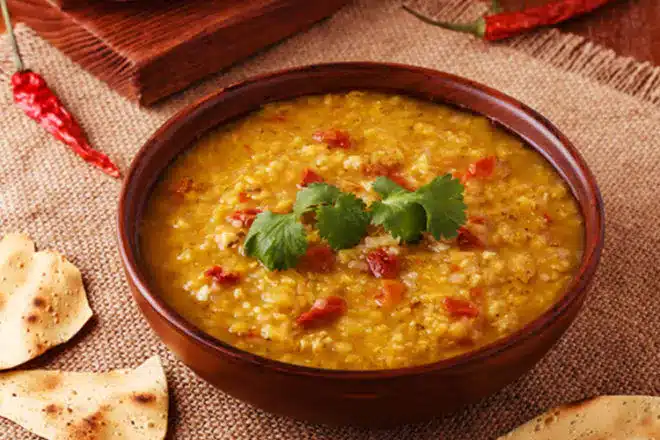
Credit: mumsgrapevine.com.au
- Ingredients: 1 cup lentils, 1 onion, 2 carrots, 2 celery stalks, 4 cups vegetable broth, 1 tsp cumin, salt & pepper.
- Instructions: In a large pot, sauté onions, carrots, and celery until softened. Add lentils, vegetable broth, cumin, salt, and pepper. Simmer for 30-40 minutes, until lentils are tender.
Nutritional Benefits
Lentils are an amazing source of protein and iron, both of which are crucial for postpartum recovery. The high fiber content supports digestion and helps maintain steady blood sugar levels, preventing energy crashes. Lentils also help with tissue repair and promote hormonal balance after childbirth. This soup is not only comforting but also a powerhouse of nutrients that aid in healing.
Greek Yogurt with Honey and Almonds
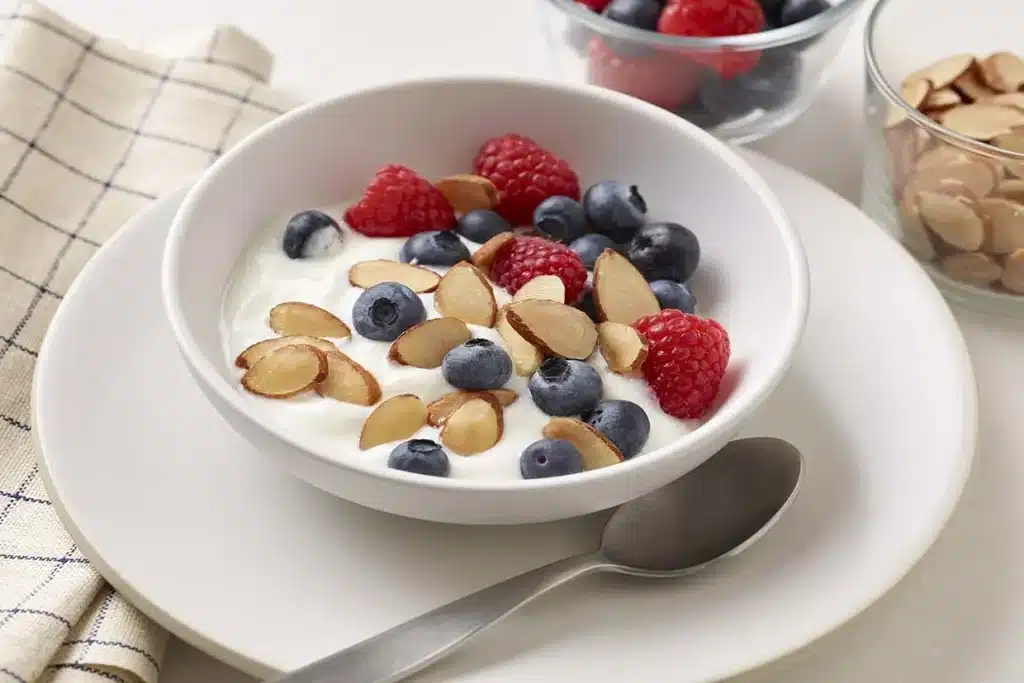
Credit: almonds.org
- Ingredients: 1 cup plain Greek yogurt, 1 tbsp honey, 1/4 cup almonds (sliced or whole).
- Instructions: Simply top the Greek yogurt with honey and almonds.
Nutritional Benefits
Greek yogurt is packed with probiotics that support gut health and digestion, something every new mom needs after childbirth. It’s also a great source of calcium, which helps with bone health, and protein, which aids in muscle recovery. Almonds add healthy fats that support brain development and mood regulation, which can be especially helpful during the emotional rollercoaster of postpartum life. Honey provides natural sweetness and offers antimicrobial properties.
Quinoa Salad with Avocado & Chickpeas
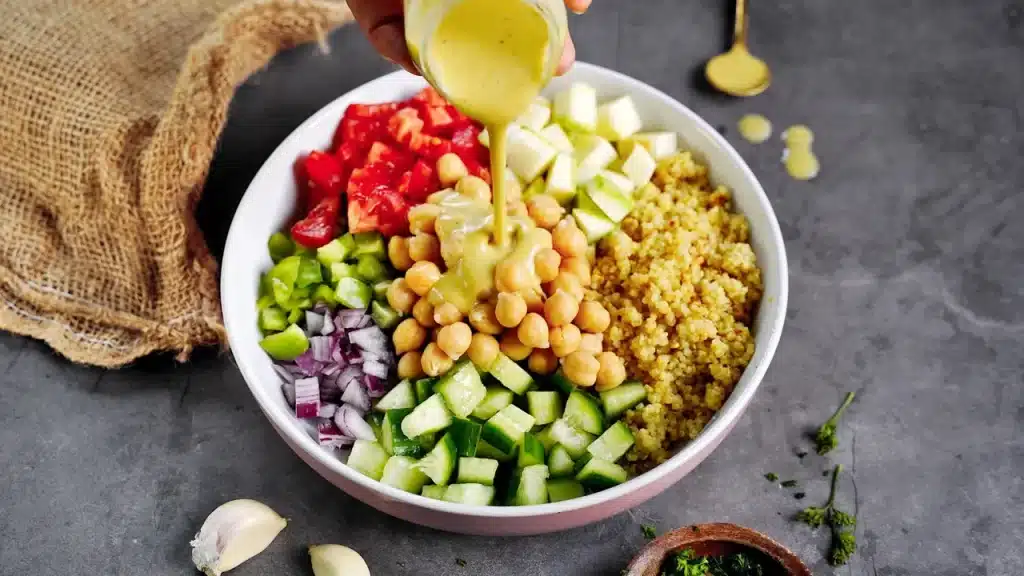
Credit: elavegan.com
- Ingredients: 1 cup cooked quinoa, 1/2 cup cooked chickpeas, 1 avocado (diced), 1 tbsp olive oil, lemon juice, salt & pepper.
- Instructions: Toss quinoa, chickpeas, and avocado together. Drizzle with olive oil, lemon juice, and season to taste.
Nutritional Benefits
Quinoa is a complete protein, meaning it contains all nine essential amino acids, making it an excellent choice for muscle repair and energy. It’s also rich in magnesium, which helps combat postpartum fatigue. Chickpeas are full of fiber and iron, helping to keep you feeling full and energized while supporting your recovery. Avocados provide healthy fats that are essential for hormone balance and breastfeeding. This salad is not only filling but also packed with nutrients that are beneficial for both mom and baby.
Sweet Potato and Black Bean Tacos
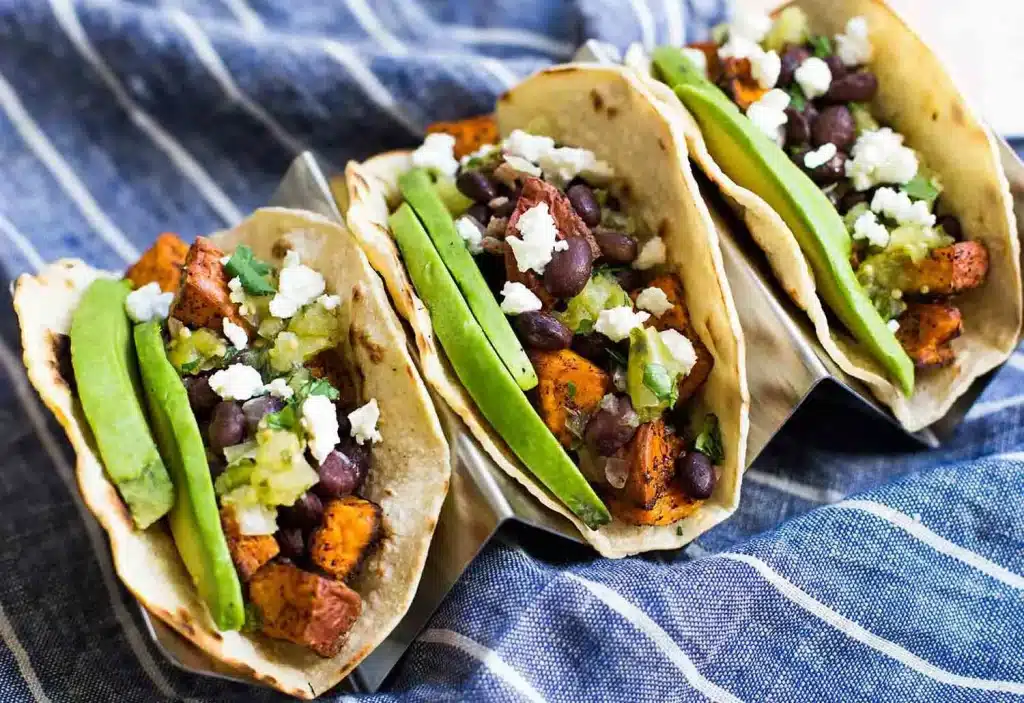
Credit: simplyrecipes.com
- Ingredients: 2 medium sweet potatoes, 1 can black beans (drained), 1 tsp cumin, 1 tsp chili powder, corn tortillas, and toppings like salsa, avocado, and cilantro.
- Instructions: Roast cubed sweet potatoes with cumin and chili powder at 400°F (200°C) for 25 minutes. Warm the black beans and assemble tacos with roasted sweet potatoes and your choice of toppings.
Nutritional Benefits
Sweet potatoes are a rich source of vitamin A and beta-carotene, which are crucial for healing and immune support. Black beans are high in protein and iron, which help to replenish your body’s nutrients and support muscle recovery. The fiber in sweet potatoes and beans helps to regulate digestion and stabilize blood sugar, ensuring that you have sustained energy throughout the day. Plus, the avocado adds healthy fats to support your skin and overall wellness.
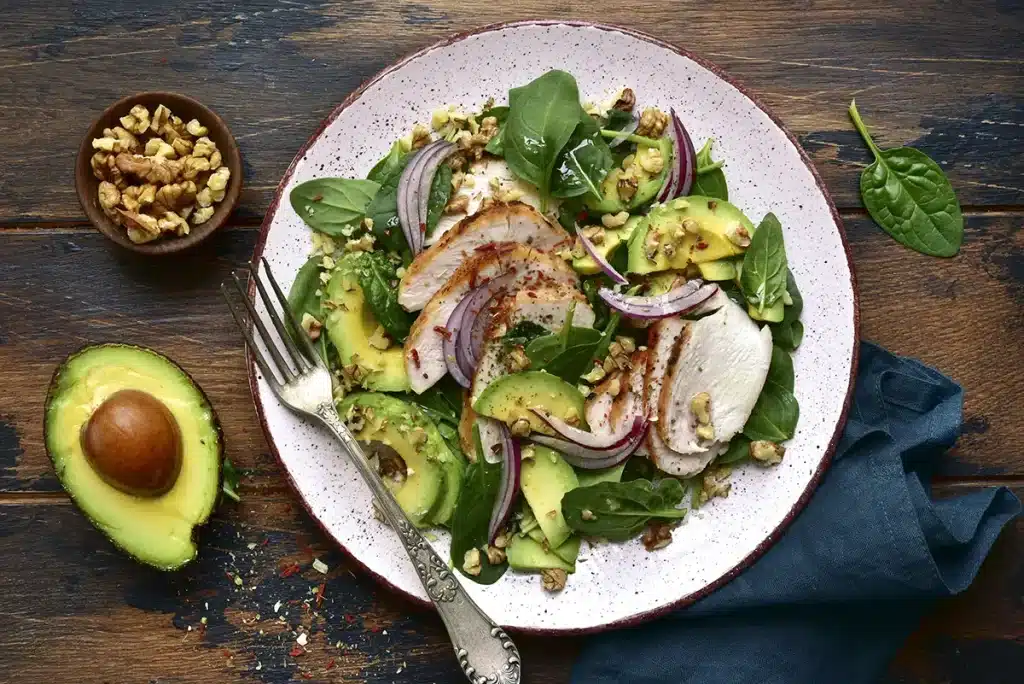
Chicken and Spinach Salad with Olive Oil Dressing
Credit: sac.coop
- Ingredients: 1 grilled chicken breast, 2 cups spinach, 1/4 cup walnuts, 1 tbsp olive oil, and balsamic vinegar.
- Instructions: Grill the chicken and slice it thinly. Toss the spinach, walnuts, and chicken together, then drizzle with olive oil and balsamic vinegar.
Nutritional Benefits
Last but not least, chicken is an excellent source of lean protein that helps with muscle recovery and energy. Spinach is rich in iron, which supports your postpartum recovery and helps prevent anemia. Walnuts provide Omega-3s, which are essential for brain development and mood stabilization, important during the postpartum period. This salad is light, refreshing, and packed with all the right nutrients to support your well-being.
Additional Postpartum Products to Support Your Recovery
Taking care of yourself postpartum isn’t just about nourishing meals. Sometimes, you need a little extra help to make the recovery process smoother. Whether you’re looking for quick meal solutions, snacks to boost your energy, or supplements to aid your recovery, these postpartum products can make all the difference. Check out some of my top picks that’ll support you through this journey.
Postpartum Supplements
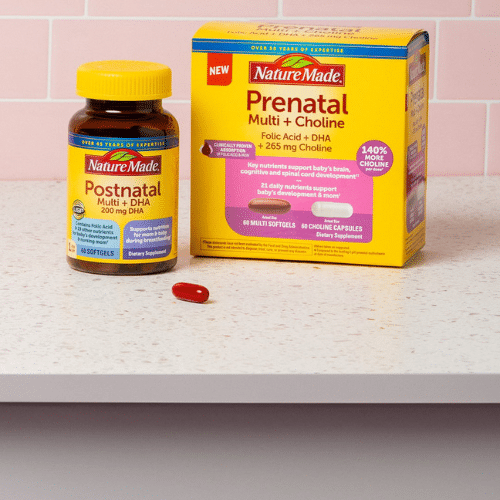
Nature Made Postnatal Multi-Vitamin Softgels
Credit: naturemade.com
Why you’ll love it?
Perfect for: Replenishing essential nutrients during your recovery.
- Contains DHA and folic acid for mom and baby.
- Supports milk production and boosts energy.
- Easy-to-swallow softgels for busy moms.
- 200 softgels for long-lasting supply.
- Promotes postpartum recovery and overall health.
- Perfect for breastfeeding moms.
Recovery / Hydration
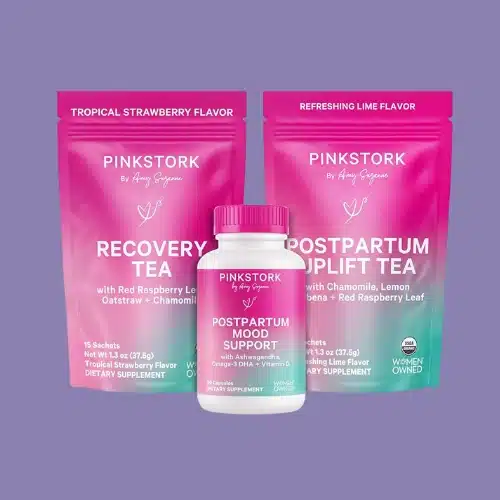
Pink Stork Recovery Drink Mix
Credit: amazon.com
Why you’ll love it?
Perfect for: Hydration and recovery in one tasty sip.
- Provides hydration and electrolytes for quick recovery.
- Caffeine-free, perfect for new moms.
- Refreshing passionfruit flavor.
- 14 single-serve packets per box.
- Eco-friendly, biodegradable packaging
Lactation Support / Snacks
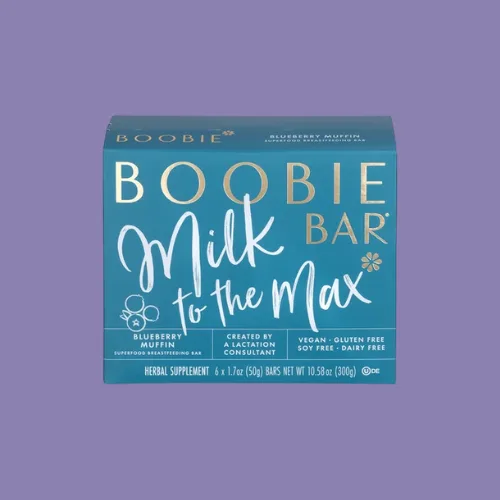
Boobie Bar Organic Superfood Snack Bars
Credit: aeroflowbreastpumps.com
Why you’ll love it?
Perfect for: A delicious, nutritious snack that supports your breastfeeding goals.
- Packed with oats and flaxseed to support milk production.
- Convenient, on-the-go snack for busy moms.
- Balances protein and healthy fats for energy.
- 12 individually wrapped bars.
- Non-GMO, dairy-free, soy-free, and gluten-free.
Lactation Support / Tea
Lactation Support Tea for Breastfeeding
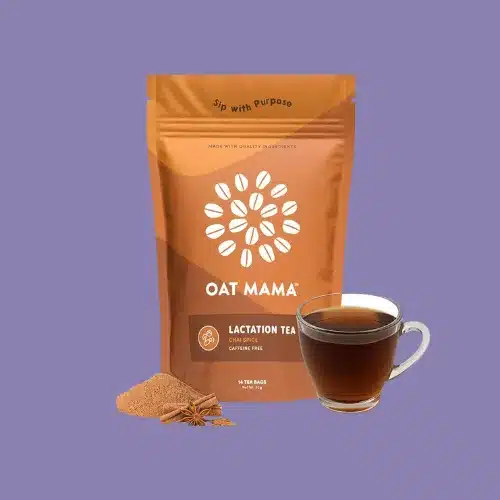
Credit: amazon.com
Why you’ll love it?
Perfect for: Boosting milk production while soothing your mind.
- Caffeine-free with fennel, fenugreek, and natural herbs.
- Relaxing and nourishing during the postpartum period.
- Gentle, delicious flavor for all-day sipping.
- Organic, ideal for moms who prefer natural remedies.
- Supports breastfeeding and postpartum recovery.
Postpartum Meal Solutions
SEEDS OF CHANGE Organic Microwaveable Brown Rice
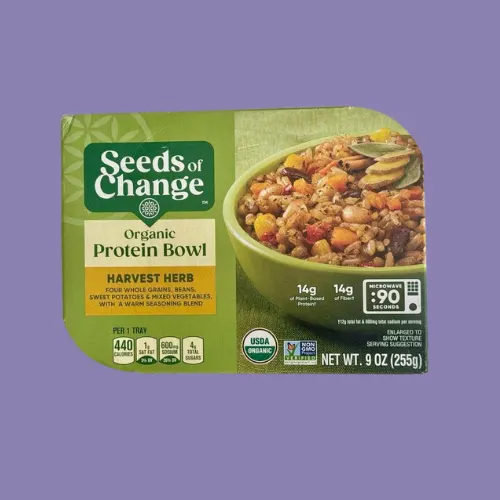
Credit: seedsofchange.com
Why you’ll love it?
Perfect for: A fast and healthy meal option when you’re short on time.
- Ready in 90 seconds.
- High in fiber and nutrients for postpartum recovery.
- Organic and preservative-free.
- 8 pouches per pack, serving 2 each.
Foods to Avoid After Birth
While there are plenty of nourishing postpartum food ideas that will support your postpartum recovery, there are also a few foods to avoid postpartum. These foods can hinder your healing process or disrupt your milk supply.
- Processed Foods: These can be high in sugar and sodium, which may lead to energy crashes and inflammation.
- Caffeine: While a small amount may be fine, too much can interfere with sleep and irritate your baby’s sensitive tummy if you’re breastfeeding.
- Refined Sugars: These can contribute to weight gain and leave you feeling sluggish.
- Alcohol: It’s best to wait a bit before consuming alcohol, as it can affect your milk production and your mood.
- Spicy Foods: Some moms find that spicy foods can cause stomach discomfort for their babies, especially if breastfeeding.
Tips for a Healthy Postpartum Diet
- Eat Small, Frequent Meals: This can help maintain your energy levels throughout the day and keep your blood sugar stable.
- Stay Hydrated: Drink plenty of water, especially if breastfeeding, to stay hydrated and support milk production.
- Include Protein in Every Meal: Protein helps rebuild tissue and maintain energy.
- Focus on Whole, Natural Foods: Prioritize fruits, vegetables, lean proteins, and whole grains.
- Don’t Forget Healthy Fats: Foods like avocados, nuts, and seeds are great sources of healthy fats that support overall health and hormone balance.
Ending Remarks
In a nutshell, postpartum nutrition is about more than just getting through the day; it’s about fueling your body for recovery, energy, and emotional well-being. The foods to eat after childbirth can have a lasting impact on how you feel, how you heal, and how you care for your new baby. So, take a moment to nourish yourself, mama. You deserve it.
Frequently Asked Questions
Let’s wrap up by answering a few questions about postpartum food ideas for mommies.
What foods should I eat during postpartum recovery?
Focus on nutrient-dense foods like oatmeal, salmon, lentils, and leafy greens. Good postpartum foods are rich in protein, healthy fats, and fiber to support your energy and healing.
Can I still eat spicy food while breastfeeding?
It’s best to start with mild spices and observe if your baby shows any signs of discomfort. Some babies can be sensitive to spicy foods in breast milk.
How can I boost my milk supply through food?
Foods like oats, fenugreek, almonds, and salmon are known to support milk production. Drink plenty of water and make sure to eat balanced meals.
How soon after birth should I start focusing on my diet?
It’s important to start nourishing your body immediately after birth, but don’t be hard on yourself if you can’t always stick to a perfect diet.
How do I know if I’m getting enough nutrients postpartum?
If you’re feeling fatigued, experiencing hair loss, or having trouble with milk production, these could be signs that you need to adjust your diet. A consultation with a registered dietitian can provide tailored advice.


















Leave a comment